
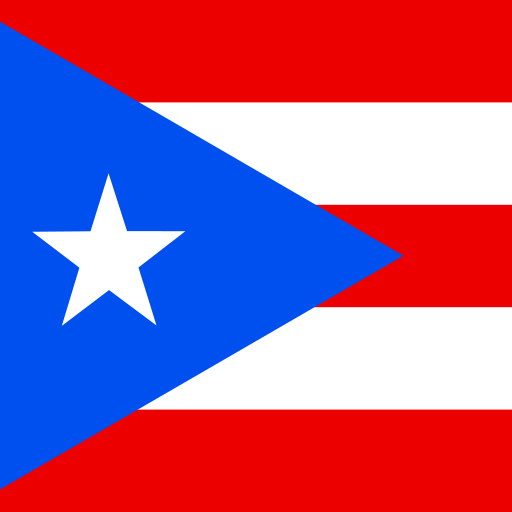

Why Puerto Rico Is Attractive for Clinical Research
Puerto Rico is better known for manufacturing medicines than for testing them, but interest in the island as a place to conduct clinical research has grown. This article summarizes the reasons commonly given, and is candid about what the sources do and do not show.
A long life-sciences history
Puerto Rico's Department of Economic Development and Commerce reports more than 70 years of experience in the pharmaceutical industry, and states that the sector contributes about 30% of the island's gross domestic product. A workforce used to regulated, quality-controlled environments can be an advantage for research that must follow strict procedures. That profile, however, describes manufacturing; it is not evidence about clinical trial performance.
Diversity in research populations
Medicines can work differently across groups. FDA notes that development work examines how effects vary by factors such as sex, race and ethnicity. Writing in Clinical Researcher in 2024, a representative of the Puerto Rico Consortium for Clinical Investigation argued that conducting trials in Puerto Rico gives researchers a more nuanced view of how cultural factors may influence treatment outcomes, and described the island's culture as reflecting Hispanic, African and Indigenous influences. This is one organization's perspective, and it should be read as such.
Bilingual communities and local trust
Puerto Rico is a U.S. territory where Spanish and English are both widely used. Research materials and consent discussions that are available in both languages, and delivered by a team that understands local context, can help people make informed decisions. Municipalities such as Caguas, with 127,244 residents in the 2020 Census, show that research does not have to be limited to the largest cities.
Regulatory framework
FDA-regulated studies conducted in Puerto Rico follow the same FDA regulations and Good Clinical Practice expectations that apply elsewhere in the United States. That consistency is part of why sponsors can consider the island as one site location among many.
Balanced view
- A good location does not replace good science: study quality depends on the protocol, the team and its oversight.
- Puerto Rico's research sector is smaller than its manufacturing sector, and its population is smaller than that of many mainland regions, so feasibility is judged study by study.
- Nothing here is a promise about enrollment, speed or results at any particular site.
References and sources
- Association of Clinical Research Professionals (ACRP). Discovering Diversity: Why Puerto Rico Stands Out for Clinical Trials (Clinical Researcher, April 2024, Vol. 38, Issue 2). Accessed November 28, 2026. Written by a representative of the Puerto Rico Consortium for Clinical Investigation; read as one organization's perspective.
- Puerto Rico Department of Economic Development and Commerce (DDEC). Puerto Rico's Pharmaceutical and Medicine Manufacturing Profile 2025. Accessed November 28, 2026. Describes manufacturing, not clinical research.
- U.S. Food and Drug Administration (FDA). Step 1: Discovery and Development. Accessed November 28, 2026. Page states its content is current as of 2018-01-04.
- U.S. Census Bureau. QuickFacts: Caguas Municipio, Puerto Rico. Accessed November 28, 2026. 2020 Census population: 127,244.
This article is for general education and is not medical, legal or regulatory advice. Investigational products described in clinical research are not approved for general use. Integra Trials does not promote any specific study on this page. Talk with your own doctor before making decisions about your health or about joining a study.
Planning a study in Puerto Rico? Ask Integra Trials about a protocol feasibility assessment.
Sponsors and CROs